
 English
 Français
 русский
 Español
 Português
 عربى
عربى italiano
 Polskie
 Deutsch
 Nederlands
Understanding the HDPE Pipe System: Components, Benefits, and Applications
Content
Few piping materials offer the combination of strength, flexibility, and longevity that high-density polyethylene brings to modern water infrastructure. An HDPE pipe system has become a go-to choice for engineers and contractors who need a dependable way to transport clean water, handle drainage, and upgrade aging networks. In this article, we break down what an HDPE pipe system is, how it is built, and what to consider when planning your next project.
What Is an HDPE Pipe System?
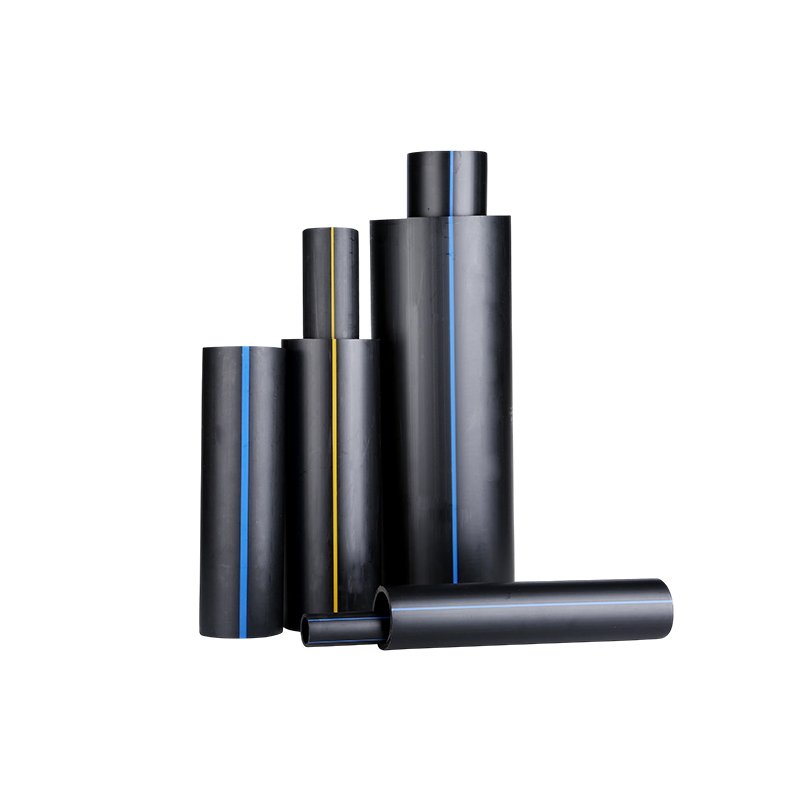
An HDPE pipe system is a complete network of high-density polyethylene pipes and fittings designed to convey water and other fluids under pressure or by gravity. The pipes are produced by melting polyethylene resin and extruding it into a seamless wall, which gives the finished product a unique combination of toughness and ductility.
Unlike metal or rigid plastic alternatives, HDPE pipe does not rust, rot, or corrode. That makes it particularly well suited to buried water supply and drainage applications where replacing a failed pipe means excavation, disruption, and high cost. HDPE pipes can be supplied in straight lengths or long coils, depending on the diameter, and the flexibility of the material allows the pipe to follow natural ground contours with fewer joints.
Core Components of an HDPE Pipe System
A well-designed HDPE pipe system is more than just a length of pipe. Every component plays a role in keeping the network watertight and reliable over its service life.
| Component | Role in the System |
|---|---|
| HDPE pipe | Carries the fluid, available in various diameters and pressure ratings |
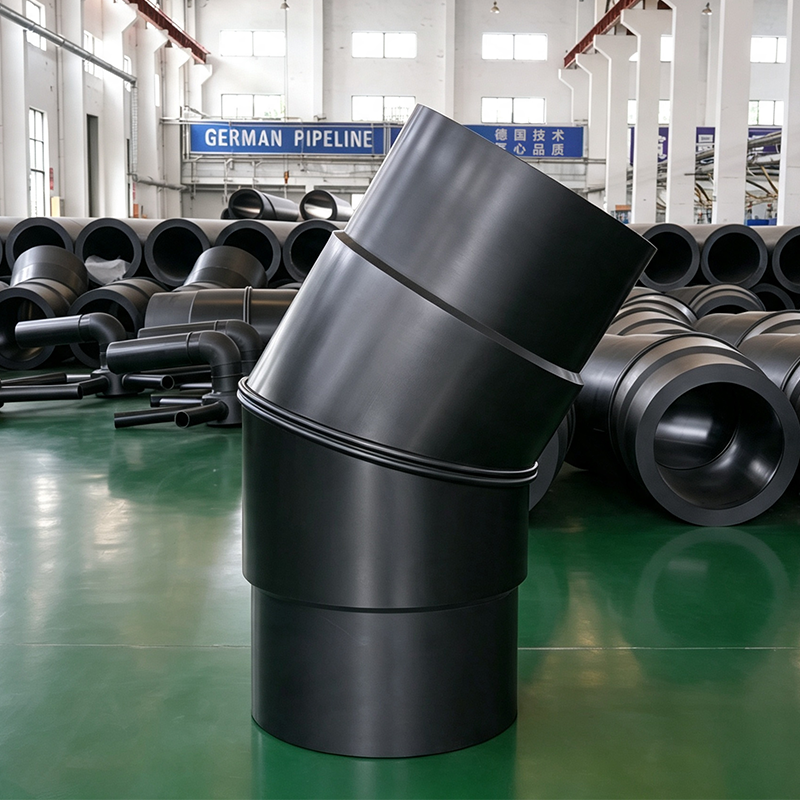
| HDPE fittings | Elbows, tees, couplings, and reducers that connect sections and change direction |
| Fusion joints | Permanent, leak-free connections created by heating and fusing pipe ends |
| Transition fittings | Flanges and adapters that connect HDPE to existing metal or other piping |
Because the pipe and fittings are made from the same material, an HDPE pipe system can be joined into what is effectively one continuous, monolithic structure. This is one of the main reasons the system is trusted for critical water infrastructure.
Key Benefits of HDPE Pipe Systems
Specifiers choose HDPE pipe systems across a wide range of projects because the material delivers measurable advantages over traditional options.
- Corrosion and chemical resistance: HDPE is immune to electrochemical corrosion and resists a broad range of chemicals, making it suitable for aggressive soils and industrial fluids.
- Leak-free performance: Fusion welding creates joints that are as strong as the pipe itself, reducing water loss and protecting the surrounding environment.
- Flexibility and impact strength: HDPE bends without breaking, absorbs ground movement, and handles installation in rocky terrain better than rigid pipes.
- Long service life: HDPE pipe systems are designed for decades of reliable operation, often cited at 50 years or more when properly installed.
- Lightweight handling: HDPE is lighter than steel or ductile iron, which speeds up installation and lowers equipment and labor costs.
- Low maintenance: Fewer joints and no corrosion mean less inspection and repair work over the life of the network.
These advantages translate directly into lower whole-life costs, which is why many municipalities and private developers have made HDPE their default material for water networks.
How HDPE Pipe Systems Are Joined
The reliability of an HDPE pipe system depends heavily on the quality of its joints. The most common joining methods are heat-based fusion processes, which create a bond that is as strong as or stronger than the pipe wall itself.
- Butt fusion: The ends of two pipes are heated on a fusion machine and pressed together under controlled pressure to form a single continuous pipe.
- Electrofusion: A fitting with an embedded heating coil is placed over the pipe ends, and an electric current melts the surfaces to create a joint.
- Socket fusion: Smaller-diameter pipes are inserted into a heated socket and held until the material cools and fuses.
- Mechanical connections: Flanged or compression-type connections are used when the system needs to be connected to valves, pumps, or pipes of other materials.
Each method has its place. Butt fusion is most common for larger diameters and long straight runs, while electrofusion is often used for repairs and confined spaces where room to maneuver is limited.
Common Applications for HDPE Pipe Systems
HDPE pipe systems are used wherever water needs to be moved reliably and economically. At ZHSU, our HDPE pipes serve both water supply and drainage roles, and the same underlying material performance applies across nearly every sector of the water industry.
- Municipal water supply networks
- Building water supply and drainage
- Large-diameter underground drainage
- Wastewater and sewage systems
- Rural water network rehabilitation projects
- Industrial process water and chemical conveyance
In rural water network upgrades, for example, HDPE's ability to be installed in long lengths over uneven terrain makes it an efficient choice for bringing clean water to communities that previously relied on outdated or failing infrastructure.
Design and Specification Considerations
Specifying an HDPE pipe system requires attention to a few key technical parameters. The first is the standard dimension ratio, or SDR, which defines the relationship between the pipe's outside diameter and wall thickness. A lower SDR number means a thicker wall and a higher pressure rating.
Operating pressure, flow rate, soil conditions, and installation method all influence the final specification. For buried installations, engineers must also consider the depth of cover and the loads the pipe will carry. HDPE's flexibility is an advantage here, since it can distribute loads more effectively than rigid pipe and does not suffer from the same cracking risk under ground movement.
Working with a manufacturer that can provide consistent quality and accurate technical information is essential. At ZHSU, our HDPE pipes are produced on high-tech lines and tested in a CNAS-accredited laboratory, so specifiers can rely on the performance data behind every product.
Choosing a Reliable HDPE Pipe Supplier
The performance of an HDPE pipe system is only as good as the quality of the pipe and fittings that go into it. A trustworthy manufacturer should follow international production standards, maintain rigorous quality control from raw material intake to finished goods, and be able to support the project with technical guidance.
ZHSU has been manufacturing plastic piping systems since 2004. Our production facility in Shanghai covers 70,000 square meters, and our HDPE pipe and fitting range is backed by ISO9001, ISO14001, and OHSAS18001 certifications. We use high-quality imported raw materials and run every batch through strict inspection, because we know that a water network is only as reliable as its weakest component.
An HDPE pipe system offers a proven combination of durability, flexibility, and leak-free performance. Whether you are designing a municipal water main, upgrading a rural supply network, or replacing a failing drainage line, HDPE pipe provides a solution that is built to last. By specifying the right components and working with an experienced manufacturer, you can build a water system that serves its community for decades to come.


-
 No. 61, Jian-an Road, Xingta Industrial Park, Jinshan District, Shanghai, China.
-
 judy@zhsu.com
-
 +86-15728041804
Copyright © Shanghai Zhongsu Pipe Co., Ltd. All rights reserved. PPR Pipe and PPR Fittings Solutions PPR Piping Manufacturer in China
