
 English
 Français
 русский
 Español
 Português
 عربى
 italiano
 Polskie
 Deutsch
 Nederlands

High-Temperature Plastic Pipe: A Practical Selection Guide for Hot Water
Content
- 1 What Makes a Plastic Pipe Suitable for High Temperatures?
- 2 How Heat Affects Plastic Pipe Performance
- 3 PP-R and PP-RCT for Hot-Water Systems
- 4 Design Details That Protect a Hot-Water System
- 5 Fittings and Valves Matter as Much as the Pipe
- 6 A Practical Selection Checklist
- 7 A Final Word on Getting the Details Right
Choosing a high temperature plastic pipe can look simple at first: find a pipe with a high number in the catalogue and install it. In practice, temperature is only one part of the story. A pipe that performs well in a 70°C hot-water line may behave differently at 90°C, at higher pressure, or after years of continuous service. The right choice depends on the whole system: operating temperature, pressure, water chemistry, thermal expansion, supports, fittings, and how the pipe will be installed.
What Makes a Plastic Pipe Suitable for High Temperatures?
In plastic piping, “high temperature” is relative. PVC is widely used for cold-water and limited-temperature service, while CPVC is chosen where higher water temperatures are expected. Polypropylene systems, especially PP-R and PP-RCT, are common in domestic hot-water and heating applications. HDPE is excellent for many water transmission and drainage duties, but it is generally not the first choice for hot-water service.
A high temperature plastic pipe is not simply a pipe that survives a short burst of heat. It must hold its pressure rating, resist creep, and keep enough mechanical strength through repeated temperature cycles. For domestic hot-water projects, our high-temperature PPR pipe range is a practical starting point, but the final choice should always follow the pressure-temperature derating data and the project standard.
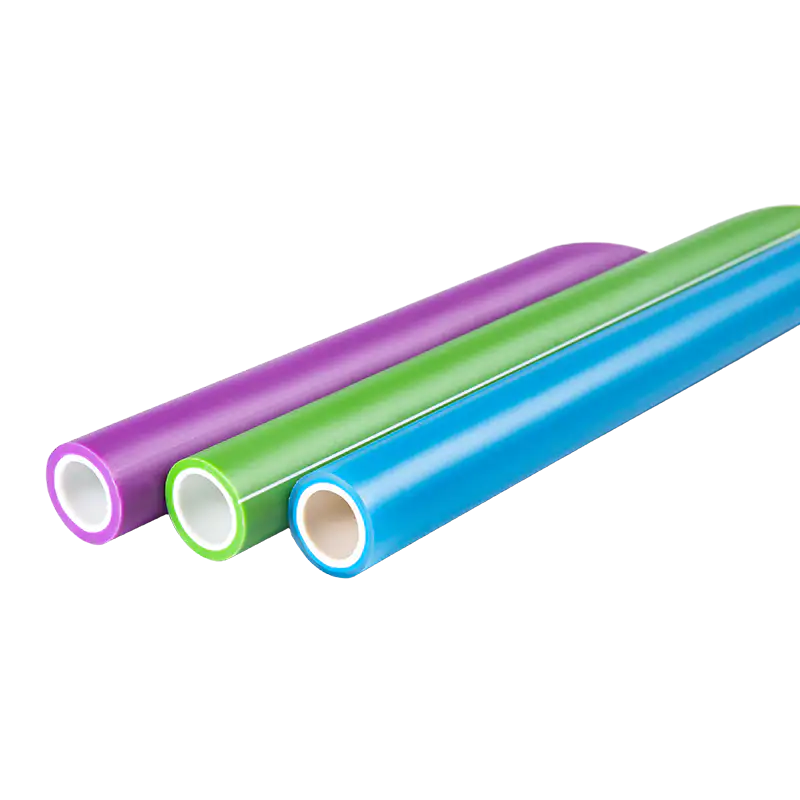
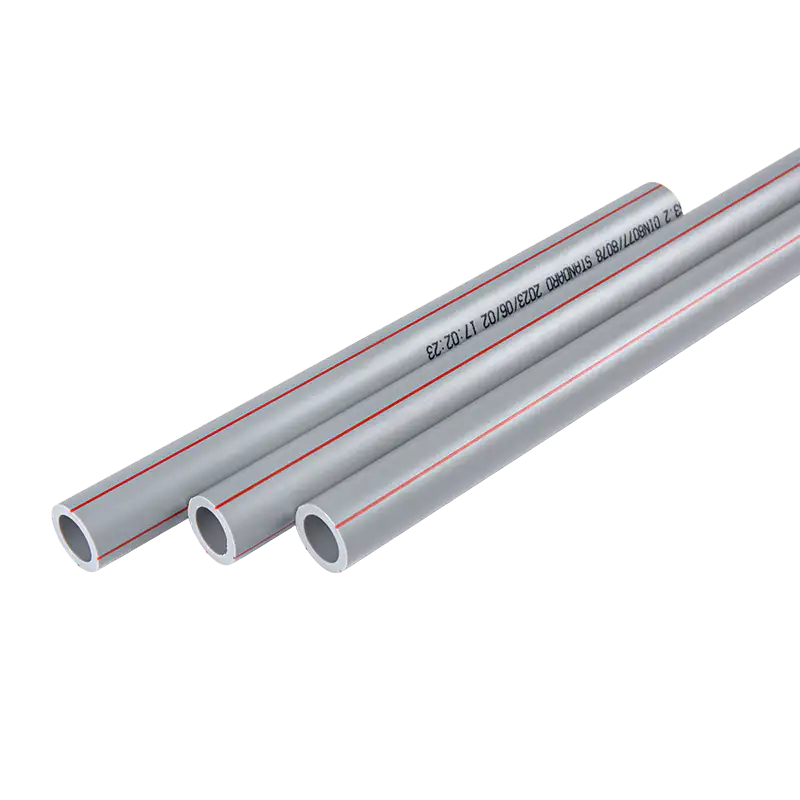 High-Temperature PPR Pipes for Hot Water SystemsBeta PPR and PP-RCT options support hot water, central heating, and industrial lines up to 95°C, with matching fittings and heat-fusion joints.View Product →
That is why two pipes with similar outside dimensions can have very different service lives. The material, wall thickness, jointing method, and operating conditions all work together.
How Heat Affects Plastic Pipe Performance
Heat softens thermoplastic materials. As the service temperature rises, the allowable pressure usually falls. This is called pressure derating, and it is one of the most important details to check before selecting a pipe for hot water. Heat also increases thermal expansion and can accelerate creep deformation, especially in long, continuously pressurised lines.
Mechanical properties can change as well. A pipe that feels rigid at room temperature may need more support at elevated temperature. Impact resistance, joint integrity, and dimensional stability also deserve attention. The table below gives a practical overview of common material families, but it does not replace the manufacturer’s published ratings.
| Material family | Common role in hot-water work | Design checkpoint |
|---|---|---|
| PVC | Cold-water and limited-temperature service | Confirm allowable temperature; avoid sustained hot-water duty |
| CPVC | Higher-temperature water and some industrial lines | Check chemical compatibility and pressure derating |
| PP-R | Hot- and cold-water plumbing, heating | Use pressure-temperature ratings; allow for expansion |
| PP-RCT | High-temperature hot water and heating | Verify long-term strength at the design temperature |
| PE-RT | Radiant floor heating | Design for low-pressure, moderate-temperature loops |
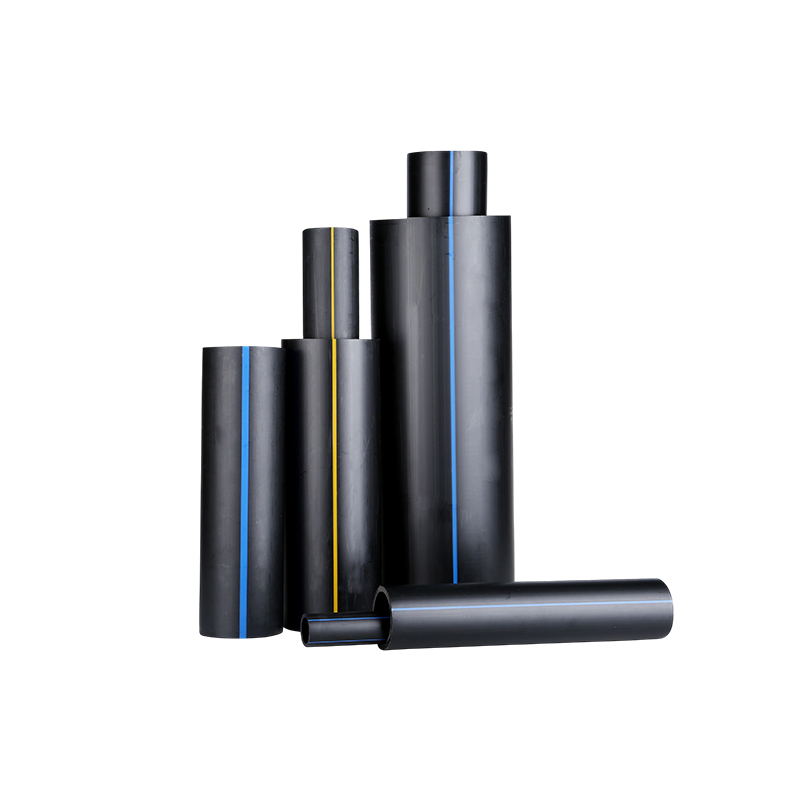
| HDPE | Water transmission and drainage | Generally not selected for hot-water service |
PP-R and PP-RCT for Hot-Water Systems
PP-R has been used for decades in hot- and cold-water plumbing. It is lightweight, corrosion-resistant, and joined by heat fusion, which creates a continuous pipe-and-fitting system. PP-RCT is a further development of polypropylene random copolymer. Its crystallinity and molecular structure are designed to provide better long-term strength at higher temperatures and pressures, which makes it attractive for demanding hot-water and heating circuits.
Neither material should be selected by temperature alone. A PP-RCT pipe may be the right answer for a high-temperature circulating line, while a standard PP-R system may be perfectly adequate for a lower-pressure domestic hot-water branch. The operating pressure, temperature profile, service life, and water quality all belong in the same conversation.
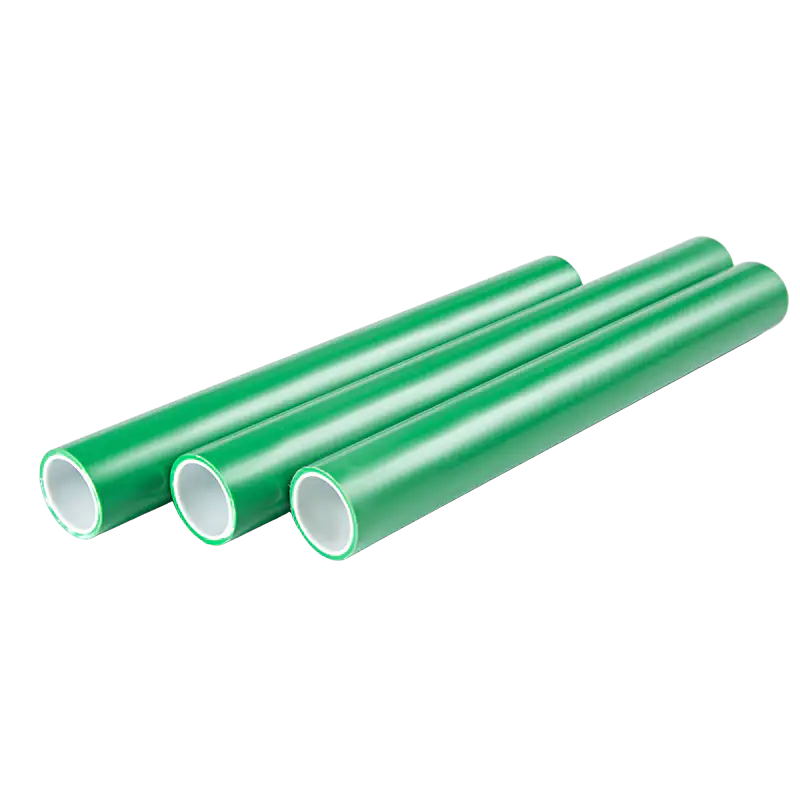
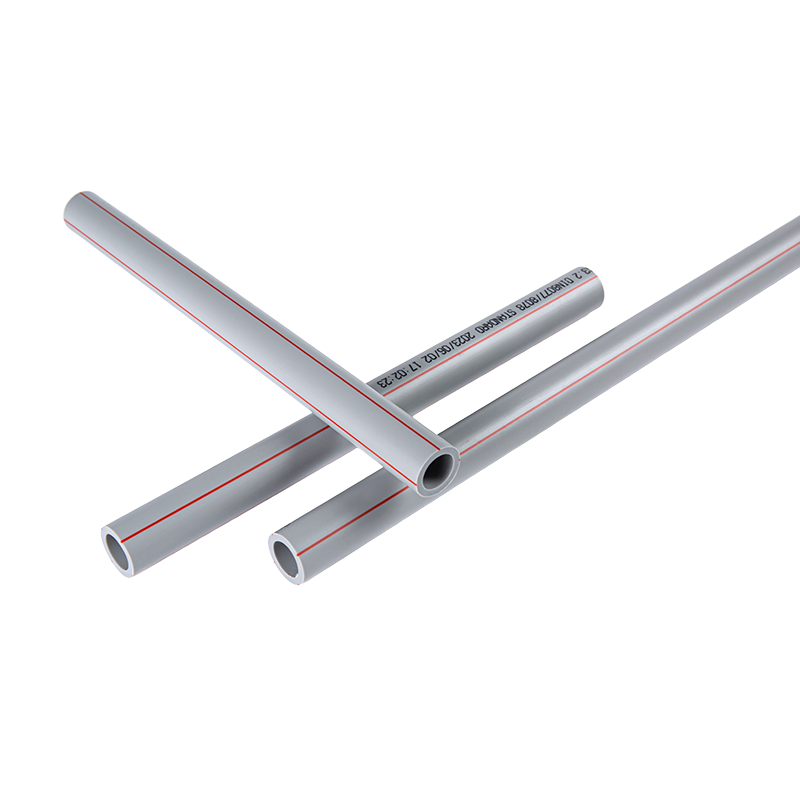 PP-RCT Pipes for Hot and Cold WaterModified random copolymer piping for potable water, HVAC, heating, and solar systems, available from 20–160 mm with pressure ratings PN10 to PN20.View Product →
Our own production has focused on PPR and HDPE piping systems since 2004. For high-temperature work, we use selected imported raw materials, high-tech production lines, and a CNAS-accredited national laboratory for testing. That does not replace project engineering, but it does mean we can talk about how a pipe is made as well as what its catalogue rating says. For a closer look at material development, see our note on the technology upgrade in high-temperature, pressure-resistant PPR material.
Design Details That Protect a Hot-Water System
A good pipe selection can still fail if the design ignores movement and support. Plastic pipe expands and contracts with temperature changes, and hot-water lines can move more than expected. A practical design usually considers the following:
- Expansion loops or offset legs where long straight runs change temperature.
- Fixed and sliding supports placed so that movement is guided, not trapped.
- Insulation that reduces heat loss and protects people from hot surfaces.
- Valves, unions, and fittings that are compatible with the pipe material and jointing method.
- Pressure relief and temperature control devices that keep the system inside its design envelope.
- Commissioning checks that confirm the system operates at the intended temperature and pressure.
These details are not extras. They are part of the pipe system, and they often determine whether a hot-water line remains quiet, stable, and leak-free over time.
Fittings and Valves Matter as Much as the Pipe
A hot-water line is a system, not a pipe alone. Couplings, elbows, tees, unions, and valves must match the pipe material, the fusion or connection method, and the pressure-temperature rating of the line. A well-made pipe joined with an unsuitable fitting can become the weakest point in the installation. This is especially true where threaded transitions connect plastic pipe to metal equipment.
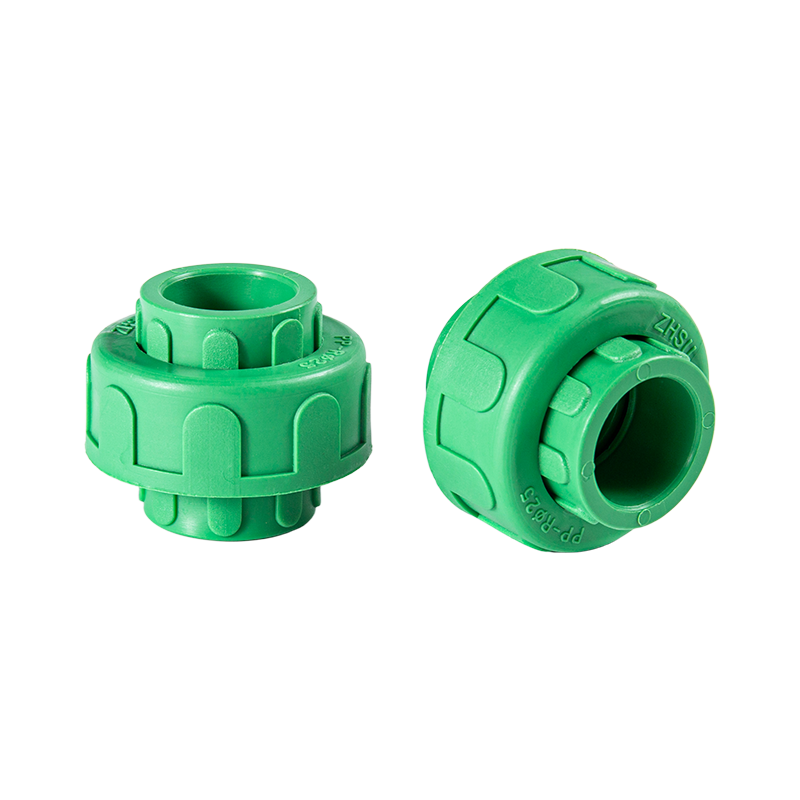
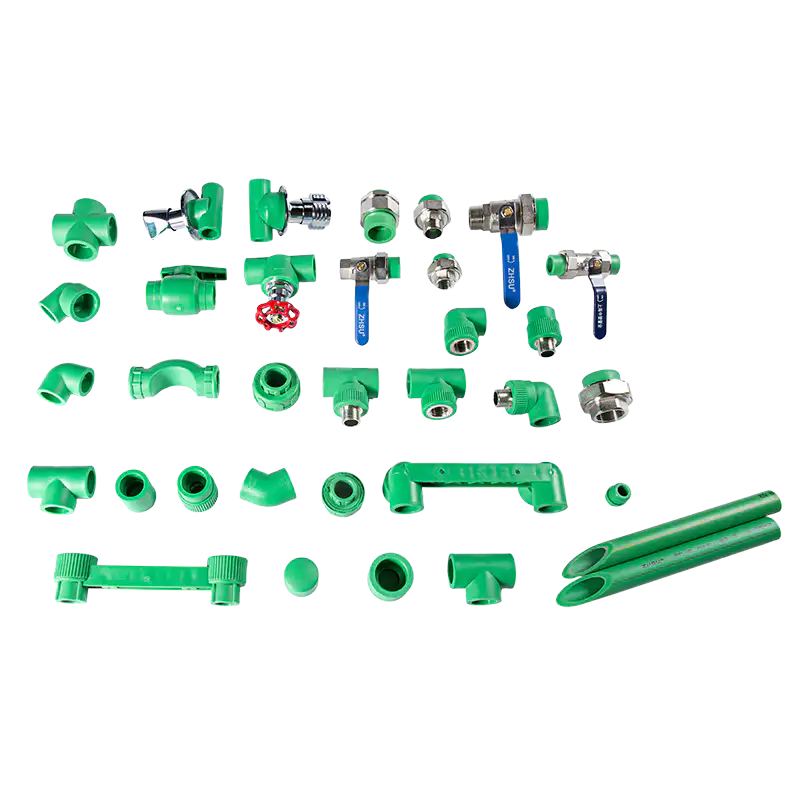 PPR Pipe Fittings for Hot and Cold Water SystemsElbows, tees, couplings, unions, and valves in sizes 20–160 mm, with heat-fusion and threaded connections for compatible PPR piping systems.View Product →
Our PPR fitting range includes coupling, elbow, tee, union, and valve types for different connection needs. When specifying a hot-water system, keep the fitting material, seal material, and installation method in the same review as the pipe itself. A compatible system is easier to test, easier to maintain, and more predictable over the life of the building.
A Practical Selection Checklist
Before you compare product pages or request a quotation, gather the project facts that will shape the answer:
- Confirm the maximum continuous operating temperature, not only the occasional peak temperature.
- Record the design pressure and any pressure surge or pump head conditions.
- Check the required service life and the expected duty cycle.
- Review water chemistry and any chemical additives that may affect the material.
- Plan for thermal expansion, support spacing, and insulation from the start.
- Verify that pipe, fittings, valves, and jointing methods carry compatible ratings.
With those details in hand, a high temperature plastic pipe selection becomes much more reliable. The goal is not to find the highest number on a data sheet; it is to find the pipe system that stays within its limits under real operating conditions.
A Final Word on Getting the Details Right
Hot-water piping rewards careful choices. Temperature, pressure, expansion, fittings, and installation all affect performance, and the best result usually comes from reviewing them together. If you are still weighing options, talk with a pipe manufacturer early, ask for pressure-temperature data, and compare the whole system rather than one component. That is the practical way to choose a high temperature plastic pipe with confidence.

-
 No. 61, Jian-an Road, Xingta Industrial Park, Jinshan District, Shanghai, China.
-
 judy@zhsu.com
-
 +86-15728041804
Copyright © Shanghai Zhongsu Pipe Co., Ltd. All rights reserved. PPR Pipe and PPR Fittings Solutions PPR Piping Manufacturer in China
